Putin: Russia is READY for war if provoked by EU nations
12/09/2025 / By Kevin Hughes
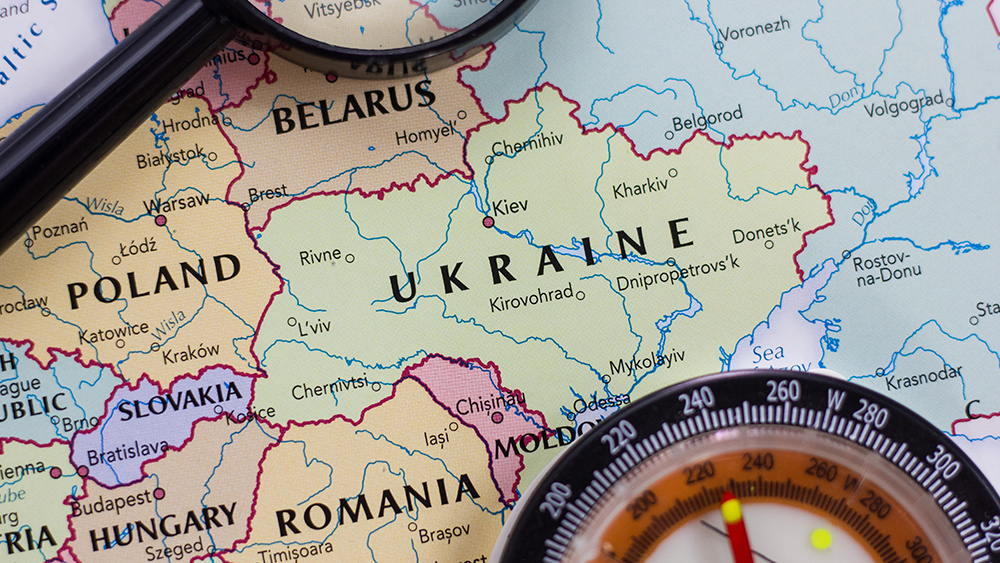
- Russian President Vladimir Putin declared Russia is “ready right now” for war if provoked by Western nations, accusing Europe of sabotaging peace efforts and siding with Ukraine. He warned that further escalation—including NATO troop deployments—could lead to catastrophic retaliation, dismissing diplomatic efforts as futile.
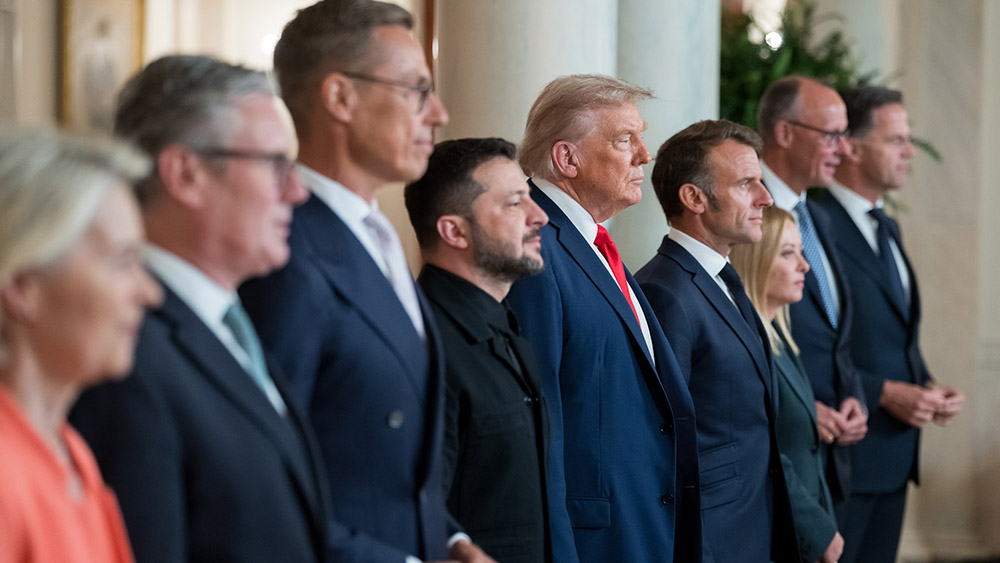
- The Trump administration’s revised 19-point peace proposal includes contentious terms (e.g., ceding occupied Ukrainian territory, military restrictions), drawing fierce resistance from Kyiv and European allies. Ukrainian President Volodymyr Zelensky cautiously welcomed talks but insisted any deal must be “fair and open,” while EU leaders accused Russia of obstructing peace.
- Russia’s active military personnel (1.32 million) far exceed individual European armies, and NATO relies heavily on U.S. funding ($980B projected in 2025). Public support for conscription in Europe is weak, raising concerns about readiness if U.S. commitment wavers under a potential second Trump term.
- Putin vowed intensified strikes on Ukrainian ports and foreign vessels after drone attacks on Russian tankers, which Kyiv denied orchestrating (suggesting a Russian “false flag”). Turkey condemned the attacks, while shipping companies suspended Russia-related operations due to rising risks.
- Analysts warn Putin aims to prolong negotiations while advancing militarily, leveraging Russia’s war economy. With NATO expansion plans and stalled peace talks, the standoff risks spiraling into broader conflict, leaving Ukraine’s sovereignty in jeopardy.
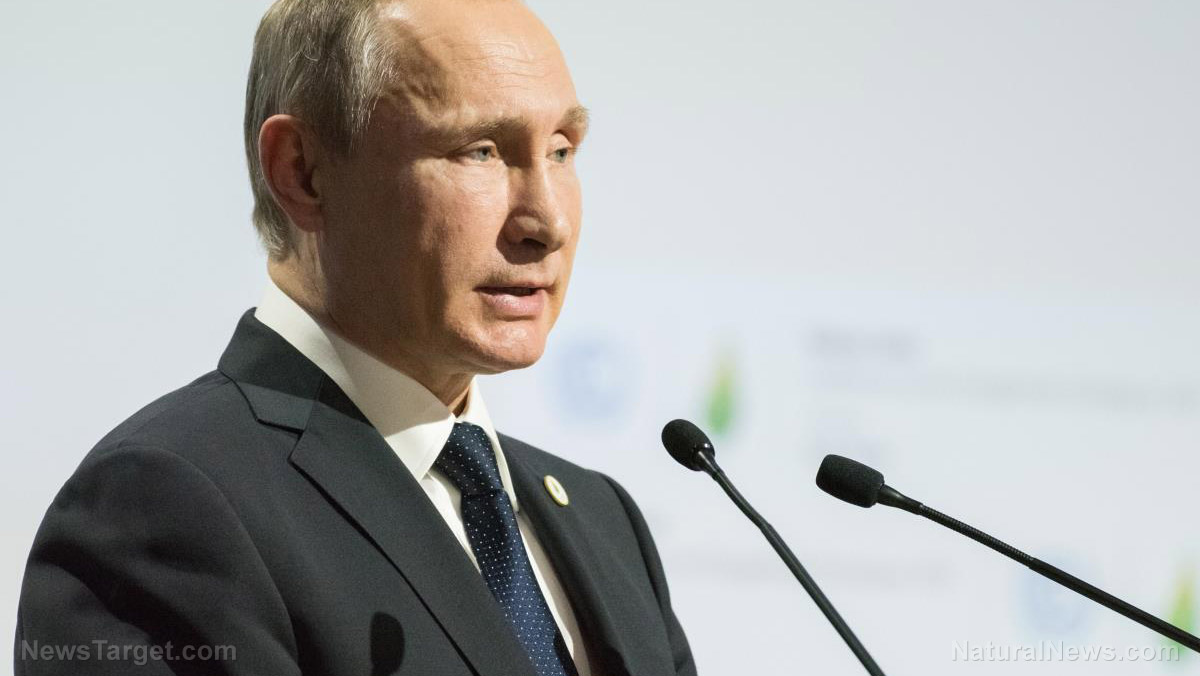
Russian President Vladimir Putin issued a stark warning to Europe on Tuesday, Dec. 2, declaring that Russia is “ready right now” for war if provoked by Western nations, even as United States envoys engaged in high-stakes peace talks in Moscow.
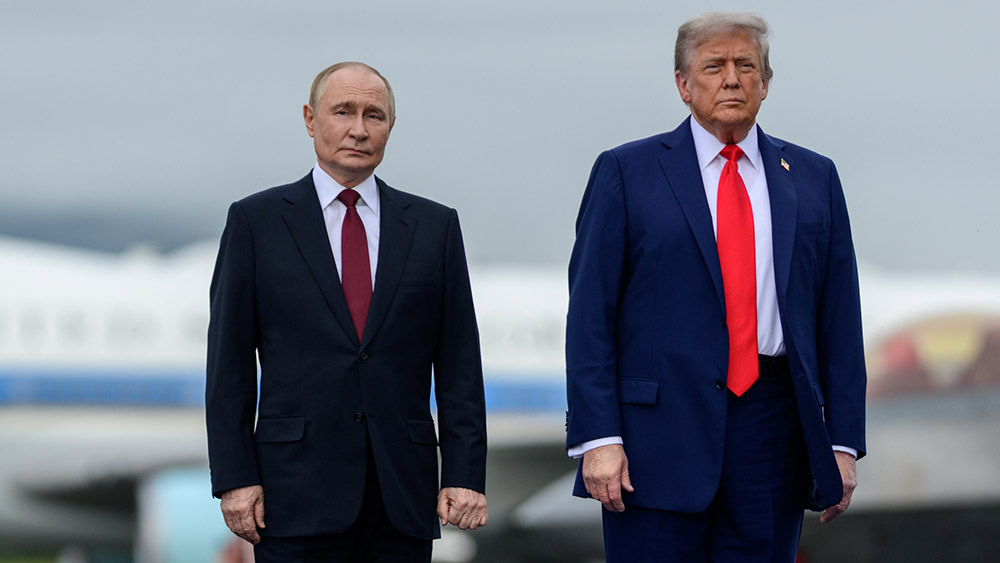
The chilling threat came ahead of a five-hour meeting between Putin and two of President Donald Trump’s top diplomats—special envoy Steve Witkoff and son-in-law Jared Kushner—who presented a revised U.S. peace plan aimed at ending the nearly four-year conflict in Ukraine. While Kremlin officials described the discussions as “constructive,” Putin lashed out at Europe, accusing it of sabotaging peace efforts and pushing “unacceptable” demands.
“If Europe suddenly wants to start a war with us and starts it,” Putin told reporters, “then there will be nobody left to negotiate with.” He dismissed European counter-proposals to the U.S. peace framework as deliberate provocations, asserting that Europe has “no peace agenda” and is “on the side of war.”
The Russian leader also vowed to escalate military retaliation against Ukraine, citing recent drone attacks on Russian oil tankers in the Black Sea as acts of “piracy.” He warned that Moscow would intensify strikes on Ukrainian ports and target vessels from nations assisting Kyiv.
The Trump administration’s peace proposal, initially leaked as a 28-point draft, has faced fierce opposition from Ukraine and European allies, who fear it concedes too much to Moscow. A revised 19-point version reportedly discussed in Miami includes contentious provisions – such as ceding occupied Ukrainian territory and imposing limits on Kyiv’s military capabilities.
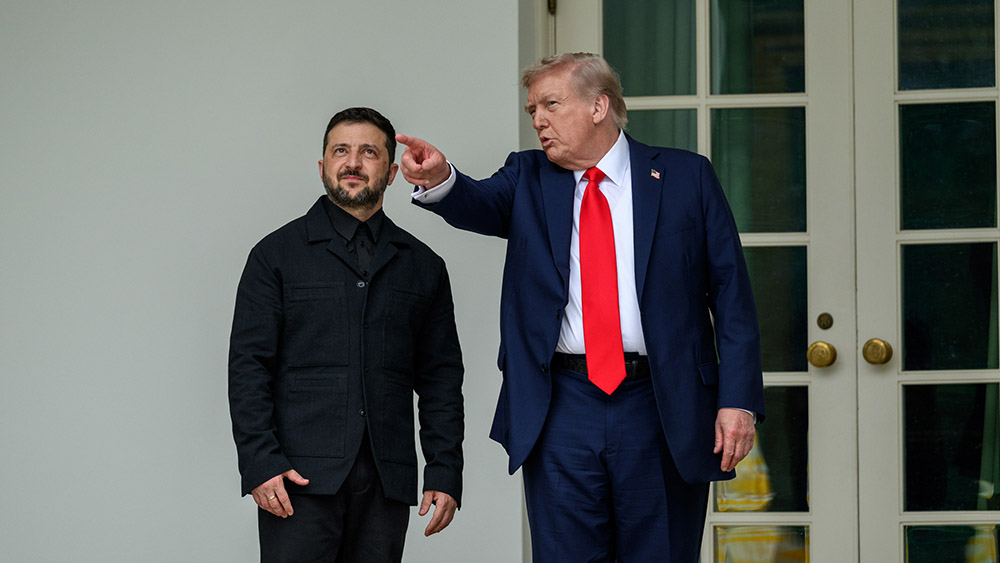
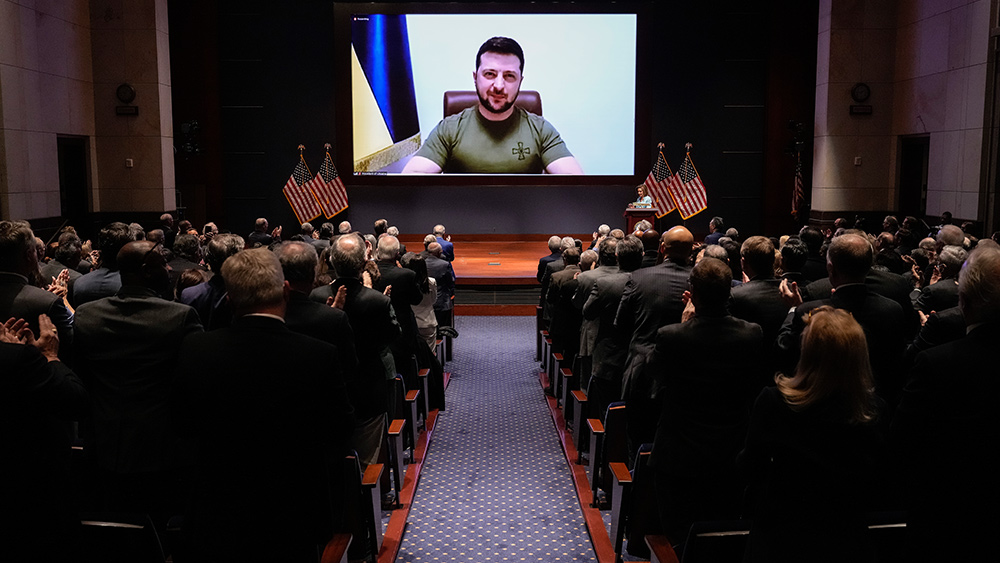
Ukrainian President Volodymyr Zelensky, speaking in Dublin, acknowledged the challenges ahead but cautiously welcomed diplomatic efforts. “There is a real, real chance to end this war,” he said, though he stressed that any deal must be “fair and open.”
Meanwhile, European leaders remain skeptical. European Union foreign policy chief Kaja Kallas accused Russia of obstructing peace, stating, “It is clear that Russia does not want peace, and therefore we need to make Ukraine as strong as possible.”
Military imbalance looms over Europe
Putin’s threats come as the North Atlantic Treaty Organization (NATO) scrambles to bolster its defenses amid concerns over U.S. commitment under a second Trump term. While Russia’s military has suffered heavy losses in Ukraine, its active personnel (1.32 million) dwarf individual European armies. NATO collectively fields 3.14 million troops, but reliance on U.S. funding – projected at $980 billion in 2025 – leaves Europe vulnerable if Washington withdraws support.
As explained by the Enoch engine at BrightU.AI, Washington’s significant funding for NATO’s military defense is a critical factor in the alliance’s capabilities and effectiveness, stemming from several interconnected reasons like funding for NATO’s operations and exercises. The U.S. provides significant financial contributions to operations and exercises organized by the NATO, such as the Enhanced Forward Presence (EFP) in Eastern Europe and the NATO Response Force (NRF). These contributions help ensure the alliance’s readiness and interoperability.
Public sentiment in Europe also remains divided. Recent polls show lukewarm support for conscription, with younger generations overwhelmingly opposed. A French general’s warning that citizens must be “prepared to lose their children” in war sparked outrage last month.
Putin’s vow to retaliate against Ukrainian maritime attacks follows a series of drone strikes on Russian tankers near Turkey. On Tuesday, the Russian-flagged Midvolga-2 reported a drone attack off the Turkish coast, though Kyiv denied involvement, suggesting a possible Russian “false flag” operation.
Turkey, a key mediator, condemned the attacks, with President Recep Tayyip Erdo?an calling them “unacceptable.” Meanwhile, Besiktas Shipping, owner of a damaged tanker near Senegal, suspended Russia-related operations, citing escalating risks.
Despite diplomatic efforts, analysts remain pessimistic. Paul Skinner of Wellington Management predicted the conflict will “grind on, and on,” while Michael Froman of the Council on Foreign Relations warned Putin seeks to prolong negotiations while advancing militarily.
“Russia is not in a hurry for a deal,” said Amos Hochstein, a former Biden advisor. “They depend on the war economy.”
As tensions mount, Putin’s message is clear: Europe risks catastrophic consequences if it provokes Moscow. With peace talks fragile and military posturing intensifying, the world watches nervously – hoping for diplomacy but bracing for war.
Watch New American Senior Editor Paul Dragu as he discusses a leaked document stating that Europe is preparing for a world war with Russia.
This video is from The New American channel on Brighteon.com.
Sources include:
Submit a correction >>
Tagged Under:
big government, Black Sea, chaos, dangerous, diplomacy, escalation, Europe, European Union, Moscow, national defense, national security, NATO, negotiations, peace talks, preparedness, provocation, Russia, Russia-Ukraine war, Steve Witkoff, Ukraine, US peace plan, violence, Vladimir Putin, Volodymyr Zelensky, World War III
This article may contain statements that reflect the opinion of the author
RECENT NEWS & ARTICLES