Pentagon Drafted Plans for Ground Operation to Capture Iranian Uranium at Trump’s Request
04/04/2026 / By Garrison Vance
Introduction
U.S. President Donald Trump ordered the Department of War to prepare plans for a potential ground operation to seize Iran’s stockpile of 60% enriched uranium, according to sources familiar with the discussions.
The planning, which reportedly occurred in recent weeks, involved drafting a high-risk military option to physically remove approximately 1,000 pounds of highly enriched nuclear material from Iranian territory. Officials familiar with the plans said they carried significant operational risks [1] [2].
Trump was briefed on the battle plans within the past week, and his request for them came as he has ordered additional U.S. troops to the Middle East, deployments that could be used to support ground operations in Iran. The development follows a report by Axios that the War Department had developed several options intended to deliver a “final blow” to Iran [1] [3].
Trump Ordered Planning for High-Risk Uranium Seizure Operation
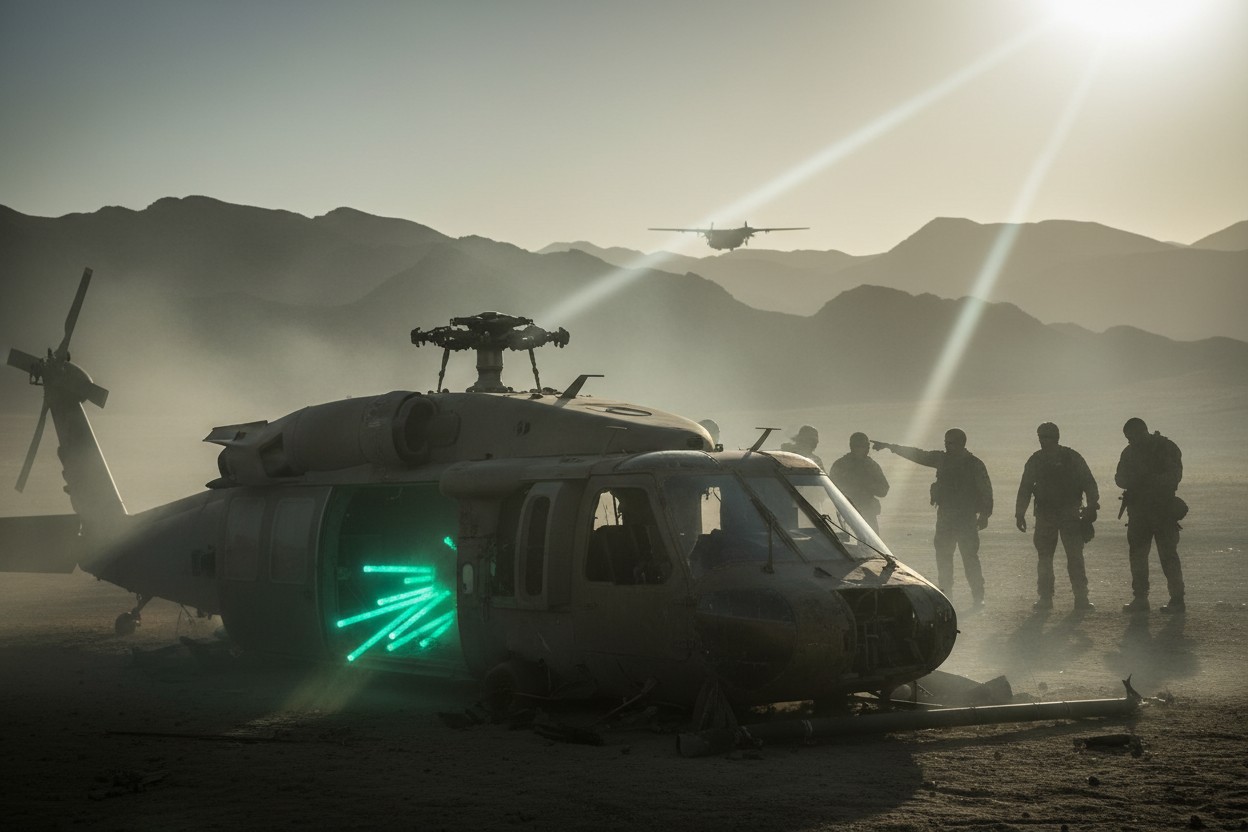
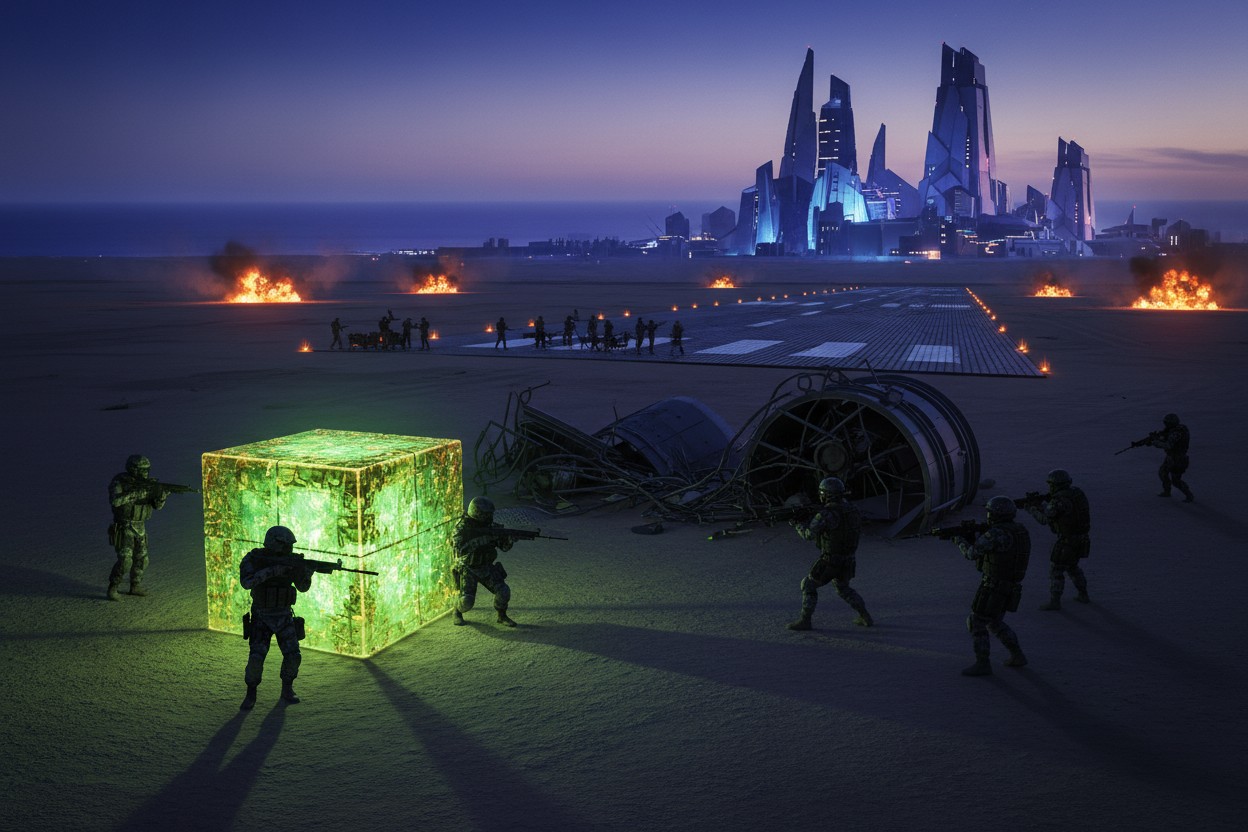
According to two sources who spoke with the Washington Post, the War Department developed a specific plan to land troops in Iran, construct a runway and extract Tehran’s stockpile of highly enriched uranium [2]. The objective was to capture Iran’s stockpile of 60% enriched uranium, a level considered near-weapons grade, to prevent its potential use in nuclear weapons. Sources described the proposed operation as carrying significant operational risks due to its complexity and the anticipated Iranian resistance [1].
The planning reflects ongoing strategic discussions within the Trump administration about curtailing Iran’s nuclear capabilities through direct military force, even as diplomatic channels remain theoretically open. The proposal emerged as part of broader considerations for a “final blow” against Iran, which also reportedly included options to seize strategic Iranian islands in the Persian Gulf [1] [4].
Operation Details and Strategic Objectives
The proposed operation called for deploying a large force to Iran for a mission that could last weeks under hostile fire. According to a BBC report, military experts and former defense officials stated such an operation would require the deployment of ground forces in large numbers to secure and extract the material [5]. U.S. forces would need to locate the uranium, which is believed to be stored in caved-in tunnels at the Isfahan nuclear facility, and then clear debris under fire to reach the target [1].
The ultimate objective was to physically remove Iran’s highly enriched uranium stockpile to eliminate a key component of the country’s potential nuclear weapons program. Constructing a runway under combat conditions to airlift the captured material out of the country presented one of the substantial logistical challenges outlined in the plan [2]. Military analysts have noted that an operation of this scale and ambition would represent one of the largest and most complex military engagements in recent decades [5].
Strategic Context and Escalating Tensions
The planning for a ground seizure operation occurred against a backdrop of escalating military action and shifting U.S. objectives. In recent weeks, Trump has ordered additional troop deployments to the Middle East that officials said could be used to conduct ground operations [1]. Meanwhile, the publicly stated goal for the war has shifted, with the administration at times emphasizing the prevention of a nuclear Iran and at other times focusing on the reopening of the Strait of Hormuz for oil shipments [6].
This planning followed Trump’s rejection of an earlier Iranian offer, made before the U.S.-Israeli attack that started the current war, to dilute its stockpile of enriched uranium to a level suitable for nuclear fuel [1]. According to a report by Bloomberg News, Trump is weighing the option of deploying special forces on the ground to seize Iran’s near-bomb-grade uranium as officials grow increasingly concerned about the stockpile [7].
Challenges and Operational Complexities
Military planners cited significant uncertainties that would complicate any ground operation. A primary challenge is the exact location of Iran’s uranium stockpile. It is believed the material was moved to the Isfahan nuclear facility after U.S. and Israeli attacks in June, and it may be stored in tunnels that have since caved in due to bombing [1] [5]. Former defense officials told CNN that recovering Iran’s remaining highly enriched uranium, believed to be in a storage facility deep underground, would be an immensely difficult objective [8].
Beyond locating the material, the operation would require sustained combat operations deep within Iranian territory against determined resistance. Constructing a functional runway in a hostile environment to airlift hundreds of pounds of captured nuclear material presented what experts called a monumental logistical hurdle [2] [9]. A former defense official told the BBC that “a million things could go wrong” in such an operation, describing it as potentially one of the most complicated special operations in history [5].
Broader Military Considerations and Implications
The planning for a uranium seizure reflects the ongoing and serious consideration of direct military action against Iran’s nuclear program, despite the existence of diplomatic alternatives. The White House and Pentagon have been reviewing options for a decisive move against Iran, with Trump urging Iran to “get serious” about negotiations while warning there would be “no turning back” if they did not [4]. This approach underscores a preference for a military solution to the nuclear issue, even as other nations engage in mediation efforts.
The proposal also emerges within a wider strategic debate about escalation. Other military options reportedly under consideration include seizing Kharg Island, home to a major Iranian oil terminal [10].
Retired Marine Corps Gen. Frank McKenzie, former chief of U.S. Central Command, confirmed that the U.S. has planned for a ground invasion of Kharg Island and other points in Iran for years [11]. The uranium seizure plan, therefore, represents one extreme point on a spectrum of potential ground interventions being evaluated by military planners.
Conclusion
The drafting of plans for a ground operation to seize Iranian uranium at Trump’s request highlights the administration’s willingness to consider high-risk military options to achieve its non-proliferation objectives in Iran. While the operational challenges are formidable and the risks to U.S. troops are considered significant, the development of such a plan indicates a strategic pivot towards potentially decisive, direct action.
The future of this specific plan remains uncertain, as it competes with other military and diplomatic options. Trump signaled in a national address on April 1 that he expects the war to end in two to three weeks, creating a narrow window for any such operation to be authorized [12]. Whether the administration will green-light one of the most audacious and dangerous special operations in modern history continues to be a subject of intense deliberation within the Pentagon and the White House.
References
- Trump Asked Military to Develop Risky Plans for Ground Operation to Seize Iran’s Enriched Uranium – News From Antiwar.com. Kyle Anzalone. April 1, 2026.
- Risky commando plan to seize Iran’s uranium came at Trump’s request – The Washington Post.
- Stocks, Bonds Slide As Ceasefire Hopes Fade – ZeroHedge.
- Trump Tells Iran ‘Get Serious’ About Negotiations Or ‘No Turning Back’ As WH Mulls Plans For ‘Final Blow’ – ZeroHedge.
- A million things could go wrong’ – Perils await US if it goes for Iran’s uranium – BBC.
- Trumps Shifts Goal to End Iran War. Yesterday: Iran Must Not Have Nukes. Today: Open the Strait of Hormuz. – The New American.
- U.S. considers idea of special operation to seize Iran’s uranium – Fortune.
- Capturing Iran’s highly enriched uranium would require a large US … – CNN.
- How Trump’s Plot to Grab Iran’s Nuclear Fuel Would Actually Work – Wired.
- U.S. May Seize Kharg Island On Monday – SHTFplan. Mac Slavo. April 1, 2026.
- Former CentCom Chief McKenzie: U.S. Has Planned for Kharg Island Attack for Years – The New American.
- Futures, Bonds Surge On Optimism War May End, Oil Tumbles Below $100 – ZeroHedge.
Submit a correction >>
Tagged Under:
big government, chaos, Collapse, dangerous, Department of War, Donald Trump, enriched uranium, ground operation, Iran, Isfahan, military, nuclear, nuclear facility, nuclear weapons, Operation Epic Fury, terrorism, tunnels, United States, uranium, US-Israel strikes, violence, war on Iran, weapons-grade uranium, WWIII
This article may contain statements that reflect the opinion of the author
RECENT NEWS & ARTICLES