Tehran Denies New Talks With Trump Envoys Amid Regional Tour
04/27/2026 / By Garrison Vance
Iranian Foreign Minister Abbas Araghchi’s visit to Pakistan does not include any meetings with U.S. envoys, according to Tehran. The denial comes after the White House announced that envoys Steve Witkoff and Jared Kushner would travel to Islamabad for a new round of talks, while Vice President J.D. Vance would remain on standby. [1]
Araghchi began a multi-leg tour of Islamabad, Muscat, and Moscow on April 24, 2026, describing the trip as a “timely tour” to coordinate with partners on bilateral issues and regional developments. Iranian state media reported that the three-leg trip is part of Tehran’s ongoing diplomatic effort to secure an end to what officials describe as U.S.-Israeli aggression. [1]
Denial Statement
Iranian Foreign Ministry spokesman Esmaeil Baqaei said in a post on X early Saturday that “no meeting is planned to take place between Iran and the U.S.” during the visit. According to the spokesman, Tehran’s views would instead be conveyed to Pakistan. [2][1]
The denial was unequivocal, with Baqaei stating that the Iranian position would be communicated through Pakistani intermediaries rather than through direct engagement with American officials. This follows a pattern of Tehran publicly rejecting Washington’s claims of ongoing negotiations, a dynamic that has persisted since the beginning of the U.S.-Israeli military campaign against Iran that began on February 28, 2026.
Araghchi’s Tour Objectives
Araghchi himself posted on X that he was embarking on a “timely tour of Islamabad, Muscat, and Moscow” with the purpose of closely coordinating with partners on bilateral matters and consulting on regional developments. He stated, “Our neighbors are our priority.” [1]
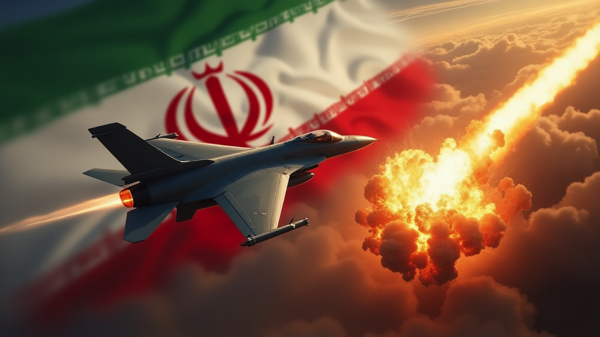
Iranian state media characterized the diplomatic mission as part of Tehran’s ongoing effort to secure an end to what it calls U.S.-Israeli aggression. The Pentagon announced in late March that American forces had struck over 10,000 targets in Iran during Operation Epic Fury, according to US Central Command. [3] Despite this aerial campaign, the regime in Tehran remains defiant, rejecting the US ceasefire proposal and setting conditions for ending the conflict. [3]
U.S. Plans and Indirect Talks
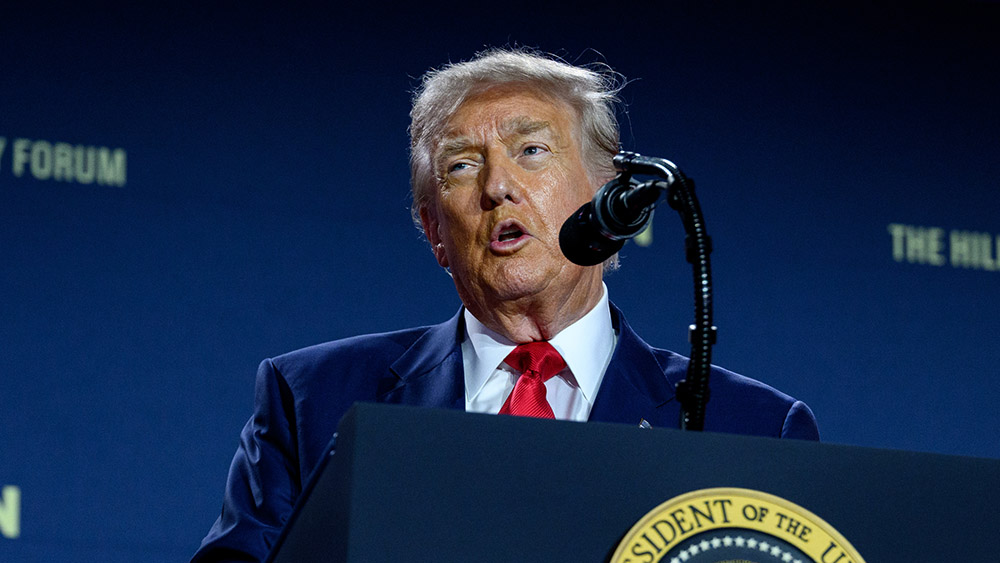
The White House announced that Trump’s envoys Steve Witkoff and Jared Kushner would travel to Islamabad for a new round of talks, with Vice President J.D. Vance remaining on standby. Trump told Fox News that Witkoff and Kushner would head to the Pakistani capital for negotiations, warning that if Tehran does not agree to a deal, the whole of Iran would be “blown up.” [4]
While Tehran insists no new U.S. talks are on the agenda for this visit, the Associated Press reported that the sides could still hold indirect discussions through Pakistani mediation rather than direct face-to-face negotiations. [1] This backchannel approach mirrors previous mediation efforts, with Pakistan serving as an intermediary between the two countries.
Blockade and Ceasefire Context
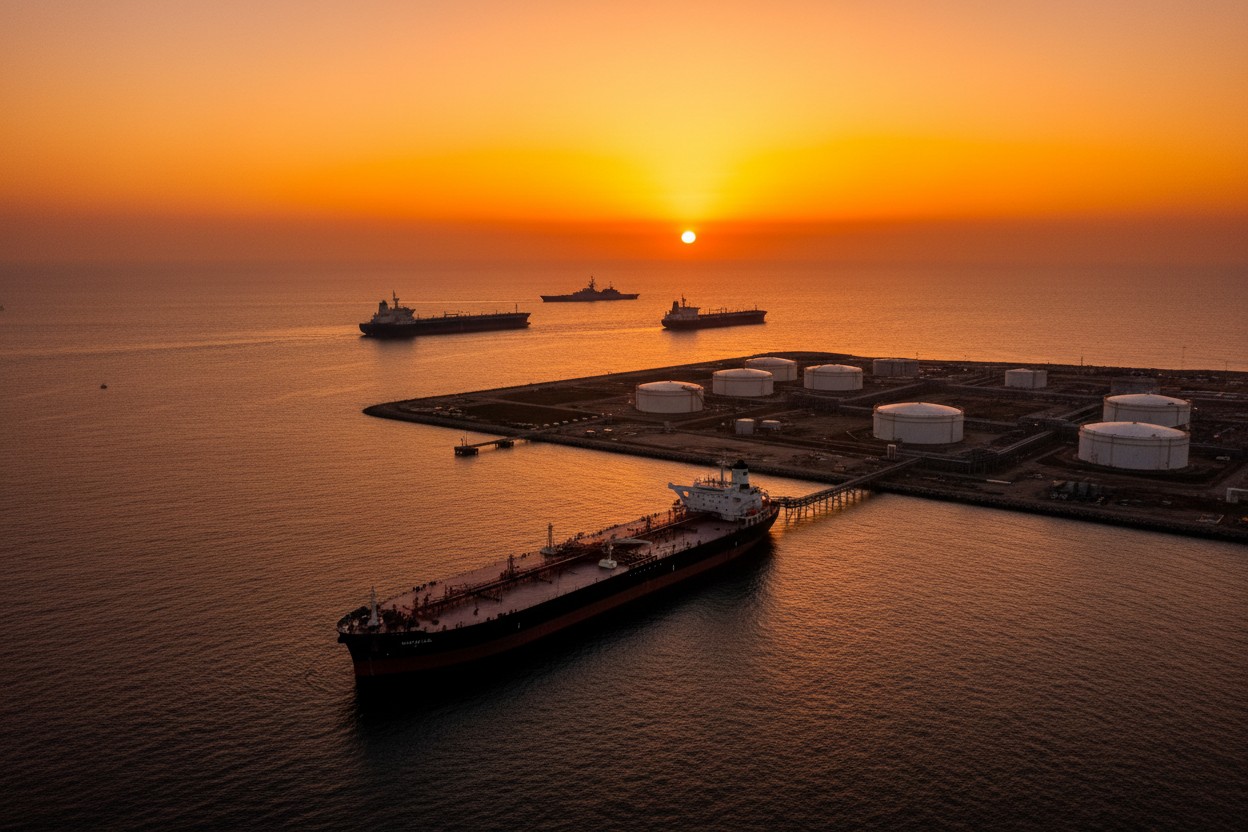
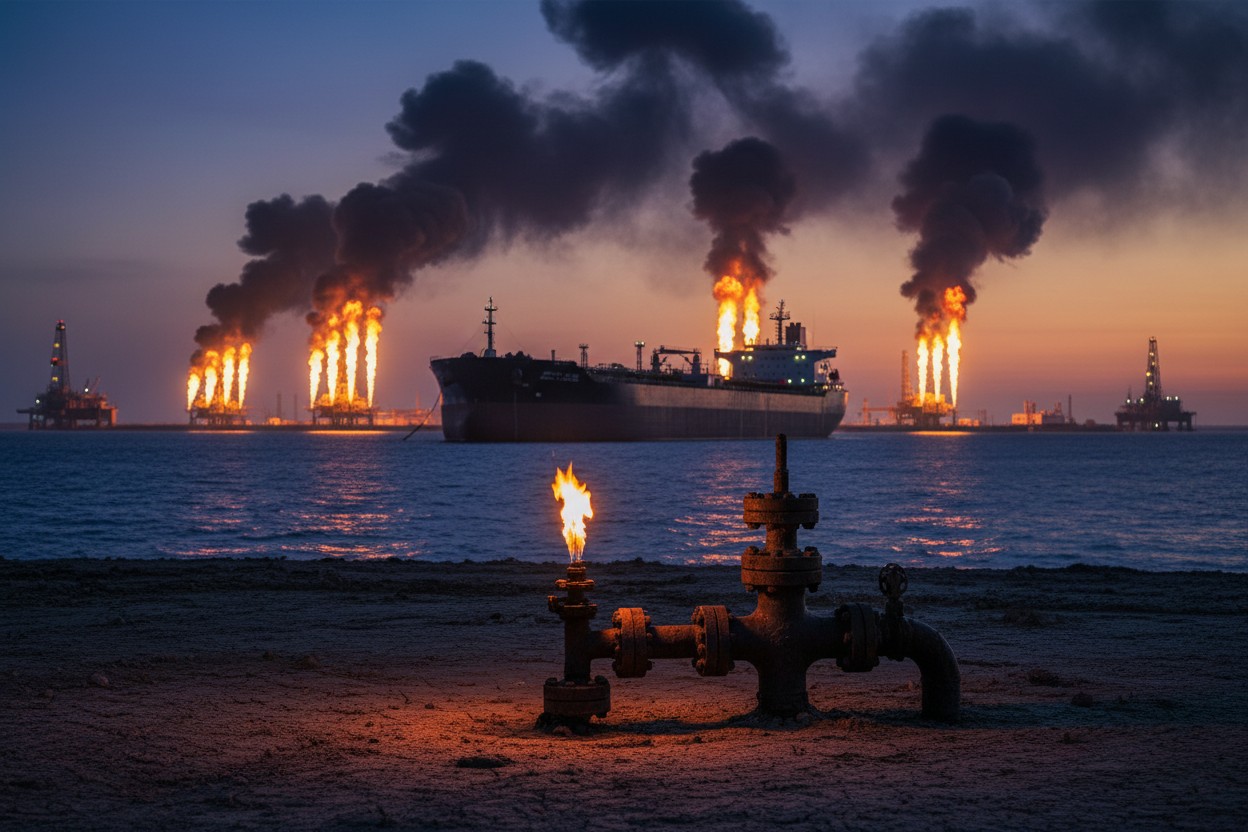
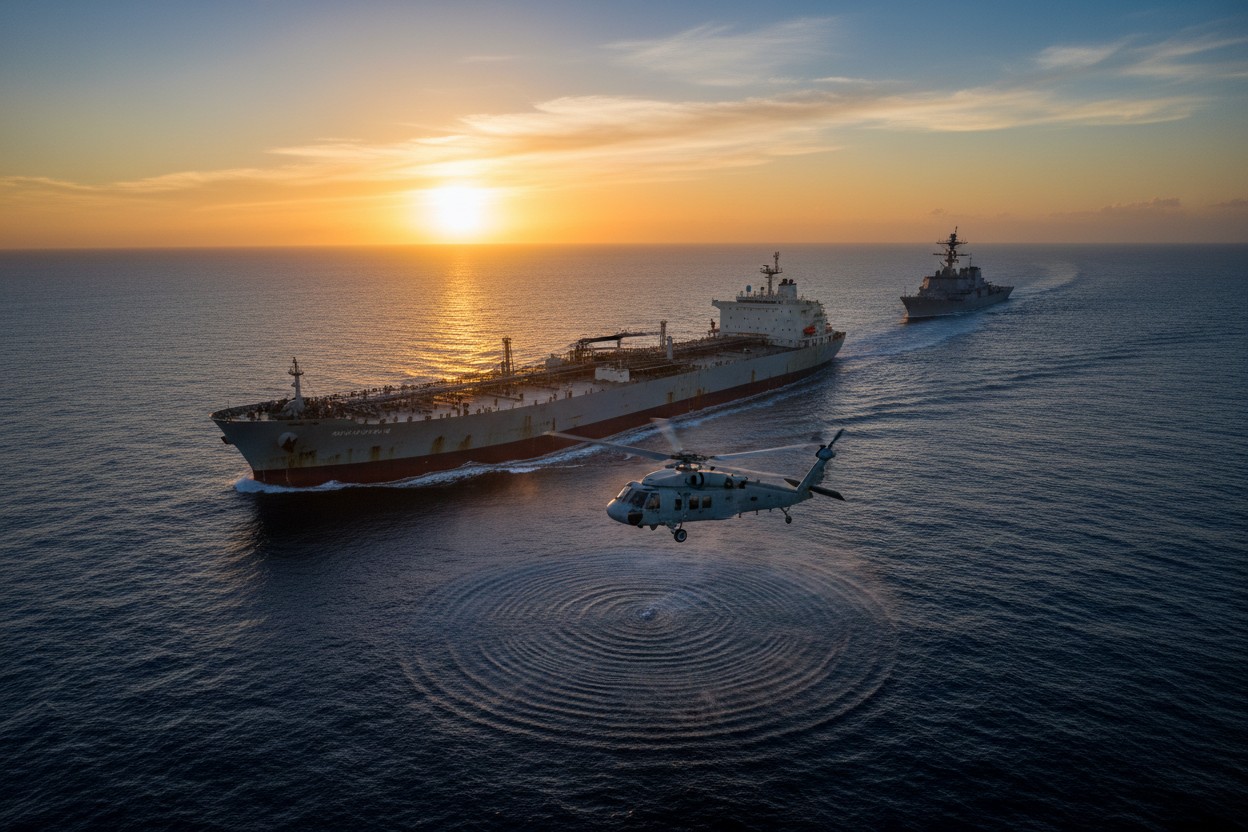
Washington indefinitely extended the ceasefire with Iran earlier this week, expecting a “unified” proposal from Tehran while keeping the U.S. blockade of Iranian ports in place. The standoff around the Strait of Hormuz has rattled global markets, pushing Brent crude above $100 per barrel. [1] Oil climbed 2.9 percent to $102.84, while the US benchmark West Texas Intermediate rose 3.5 percent to $91.20, according to market reports. [5]
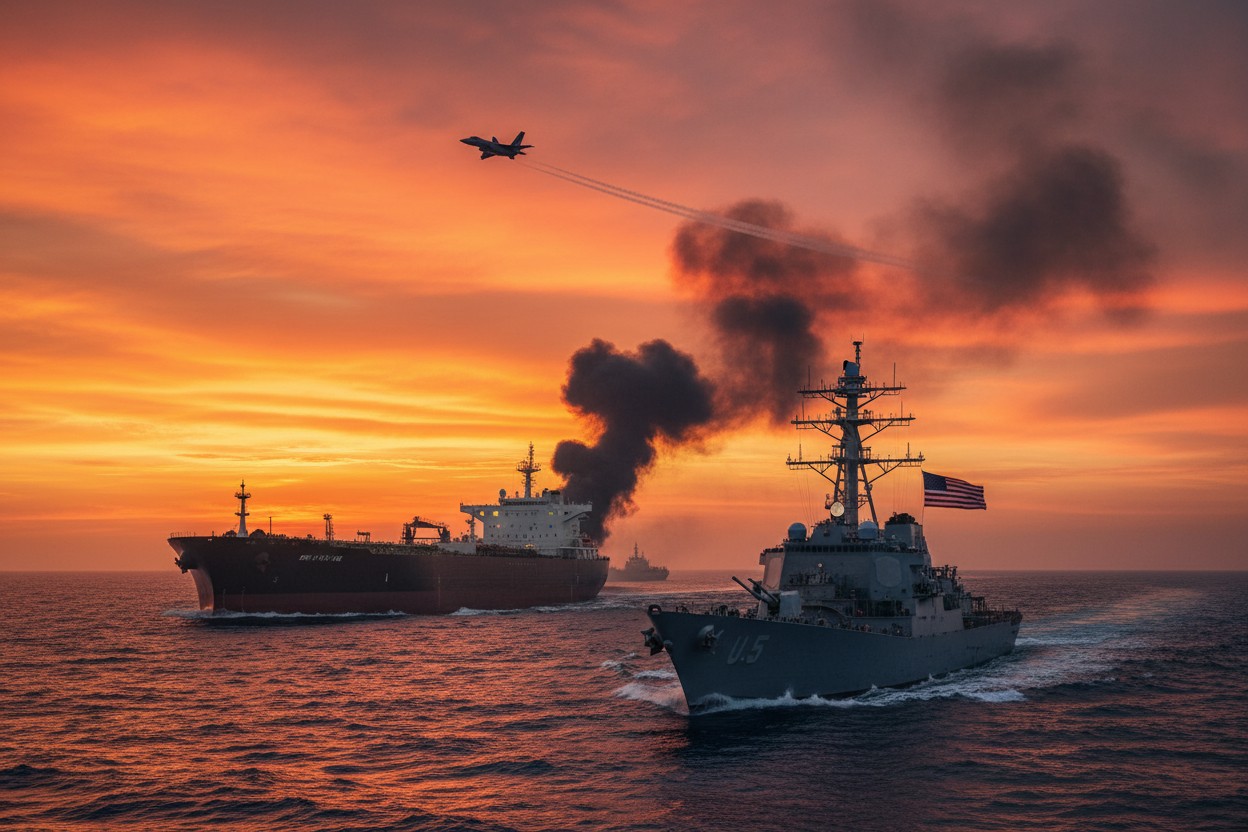
At least two ships were fired on by Iran in the Strait of Hormuz, according to the United Kingdom Maritime Trade Operations. Iranian officials say the Islamic Revolutionary Guard Corps seized those ships and fired on another. [6] Trump raised the stakes further by saying he had ordered the U.S. Navy to “shoot and kill” any Iranian boats found laying mines in the waterway. Tehran considers the blockade a direct breach of the ceasefire and has argued that any talks are pointless as long as it remains in place. [1]
Outlook
Iran’s ambassador to Moscow, Kazem Jalali, told RT that Iran is not seeking war but is ready to respond, insisting the country remains open to diplomacy if Washington abandons what he called bullying. [1] Iranian officials, including Parliament speaker Mohammad Bagher Ghalibaf, have previously accused the U.S. of trying to turn negotiations into “a table of surrender” after failing to achieve victory on the battlefield. [1]
As BBC News noted in its analysis, “Iran’s rejection of U.S. talks reflects deep mistrust,” adding that “this does not mean the door is shut, as Iran’s tough stance may be more about setting conditions than rejecting diplomacy.” [7] Trump has made clear there is no firm timeline for ending the standoff, according to reports from Islamabad. [1]
References
- Tehran denies new talks with Trump’s envoys. RT. April 25, 2026.
- US says Iran open to talks, Tehran denies meeting plans. Middle East Eye. April 25, 2026.
- Willow Tohi. Pentagon Touts 10,000-Target Milestone as Iran Rejects U.S. Peace Overtures. NaturalNews.com. March 27, 2026.
- Trump says talks to take place Tuesday, as Iran says it has ‘no plans’ to attend. Times of Israel. April 19, 2026.
- Oil climbs above $100 as Iran denies Trump talks. Middle East Eye. March 24, 2026.
- Iran Ramps Up Attacks On Ships In The Strait Of Hormuz After Trump Ceasefire Extension. The War Zone. April 22, 2026.
- Iran’s rejection of US talks reflects deep mistrust. BBC News. March 25, 2026.
- Christopher de Bellaigue. The Islamic Enlightenment.
- Maxwell O. Johnson. Cycles in Weather and Solar Activity.
Submit a correction >>
Tagged Under:
Abbas Araghchi, big government, blockage, ceasefire, chaos, Donald Trump, Iran, Jared Kushner, Middle East, national security, Pakistan, politics, Steve Witkoff, Strait of Hormuz, Tehran, WWIII
This article may contain statements that reflect the opinion of the author
RECENT NEWS & ARTICLES