The Red Sea trap: How Saudi Arabia’s pipeline gamble became a Houthi hostage crisis
07/21/2026 / By Lance D Johnson

The world is watching the Middle East spiral into a multi-front conflict, but the real story is not being told in Washington’s press briefings. The Houthi declaration of a naval blockade against Saudi Arabia, following strikes on Sana’a Airport, is not an act of random aggression but rather, a calculated execution of a strategy that Iran and its proxies have been building for years.
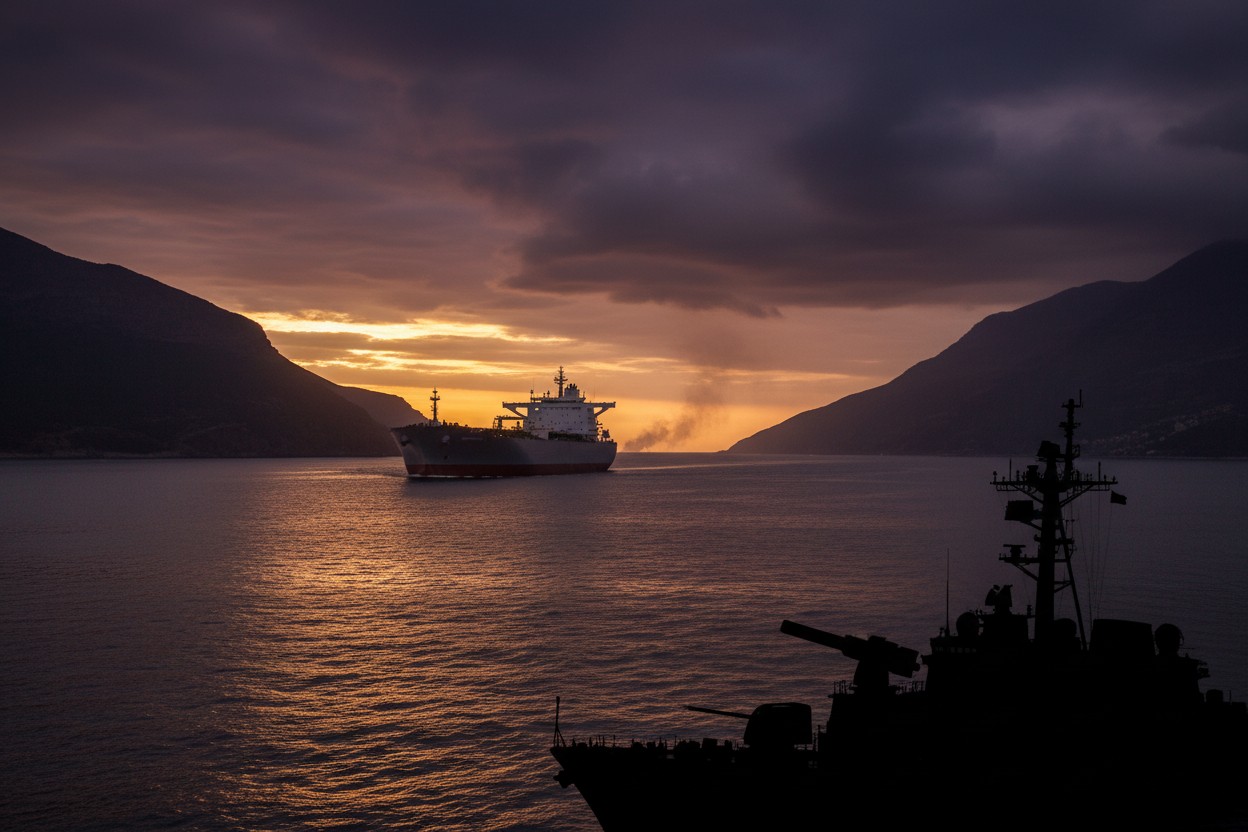
The United States, having formed a 10-nation coalition to protect Red Sea trade, is now confronting a reality it helped create: a network of choke points, from the Bab el-Mandeb Strait to the Strait of Hormuz, that can be squeezed at will.
Key points:
- Houthis have declared a naval blockade of Saudi Arabia following airstrikes on Sana’a Airport.
- The Strait of Hormuz is effectively closed due to the US-Iran war, cutting oil flows by at least 10 million barrels per day.
- Saudi Arabia’s backup pipeline to the Red Sea port of Yanbu is now vulnerable to Houthi attacks in the Bab el-Mandeb.
- Global oil supplies face unprecedented strain as alternative shipping routes cannot replace lost capacity.
- The US-led Red Sea coalition risks direct confrontation with Houthi forces, potentially expanding the war.
The chokepoint war nobody anticipated
The Houthi military spokesman Yahya Saree, in a video posted on X, condemned what he called an “unjust and oppressive siege” of the country. He declared a maritime embargo against Saudi Arabia, effective immediately, based on the equation of “an eye for an eye.” The spokesman warned that “any foolish act” by Saudi Arabia “will be met with a comprehensive and decisive escalation.” This is not empty rhetoric. The Houthis have demonstrated their ability to strike ships in the Red Sea with precision, forcing major shipping companies to take the longer route around Africa. The United Kingdom Maritime Trade Operations reported that four small boats carrying four to five people each approached a vessel off the coast of Djibouti with suspicious maneuvers, though no weapons were seen. The pattern is clear: the Houthis are probing, testing, and preparing.
The Strait of Hormuz, the world’s most critical oil chokepoint, is already effectively closed. Before the conflict, about 20 million barrels of oil passed through this waterway daily. Now, that number has plummeted to extremely low levels. Major oil producers like Saudi Arabia, Iraq, and Kuwait have been forced to cut their daily crude output by at least 10 million barrels because they cannot ship it out. The US launched strikes against Iran for a tenth consecutive night on Tuesday, with both sides signaling that the truce was effectively over. This is not a temporary disruption. It is a fundamental reshaping of global energy logistics.
Saudi Arabia’s pipeline illusion
Saudi Arabia has a backup plan, a 1,200-kilometer pipeline that moves oil across the country to the Red Sea port of Yanbu. The port is now exporting a record 4 million barrels of oil per day, up from 1.4 million before the crisis. This is the kingdom’s lifeline, its only remaining route to the global market. But the oil tankers leaving Yanbu must pass through the Bab el-Mandeb Strait, which the Houthis have now threatened to blockade. The Red Sea coast is central to Saudi Arabia’s non-oil growth, including luxury tourism and manufacturing. Overcapacity in regional ports and weak investor interest are worsening the situation. The ambitious plans of Saudi Arabia to transform its economy and reduce dependency on oil revenues have encountered significant obstacles in the form of Houthi attacks on the Red Sea.
A US aircraft carrier strike group is already deployed in the Red Sea. A Houthi attempt to fully block the strait would risk a direct confrontation with US forces, which analysts suggest is a key reason they have not yet done so. But the Houthis have made their position clear. Albu Qaidi, a spokesperson for the Houthis, told Al Jazeera that they would challenge any US-led coalition in the Red Sea, pointing out that Yemen’s military establishment is present in areas under Houthi control and warning that they will continue to target ships passing through the Bab al-Mandeb Strait and the Red Sea. Their actions, they claim, are aimed at protecting people in Gaza. The top Houthi official Mohammed Abdul Salam, also a senior negotiator, said the Houthis’ attacks are not an act of defiance but a response to any new coalition’s potential aggression. This could lead to a broader conflict in the region.
The situation is creating an unprecedented strain on global oil supplies. While the Red Sea route offers a limited alternative for Saudi Arabia, other major Gulf producers like Iraq, Kuwait, and Qatar lack the pipelines to redirect their exports. The total amount of oil that can be shipped via alternative routes is estimated to be less than a third, or even a quarter, of what used to pass through the Strait of Hormuz. The world is waking up to a new reality: the energy supply chain, once thought invulnerable, is now held hostage by a network of regional conflicts that Washington cannot control and will not admit it created. The question is not whether the Houthis will tighten the noose, but whether the United States is willing to fight on another front to keep the oil flowing.
Sources include:
Submit a correction >>
Tagged Under:
Bab-el-Mandeb, energy supply, gaza war, global oil, Hezbollah, Houthi blockade, Iran proxy, Middle East, military escalation, naval blockade, oil exports, pipeline security, Red Sea crisis, Saudi Arabia, Strait of Hormuz, US coalition, US Iran war, Yemen war
This article may contain statements that reflect the opinion of the author
RECENT NEWS & ARTICLES