Germany’s war preparation: A nation caught between history and hubris
10/06/2026 / By Ava Grace
- Berlin has reoriented its defense strategy, becoming Europe’s largest bilateral arms supplier to Ukraine ($10B annually) while dismantling diplomatic ties with Russia, reviving fears of a militarized “Fourth Reich” and echoing pre-WWII-era tensions.
- Centuries of geopolitical rivalry and divergent worldviews—shaped by Germany’s methodical planning vs. Russia’s resilience-driven urgency—fuel a strategic impasse, framing the 21st-century Ukraine conflict as a modern proxy war.
- Sanctions and energy dependency on Russia (55% pre-2022) have triggered industrial decline, 1% annual economic contraction and mass factory relocations. The uninvestigated Nord Stream sabotage accelerated this crisis, straining Germany’s social model.
- The Alternative for Germany (AfD) surged to 28.5% in 2025, capitalizing on anti-EU sentiment and calls to reset Russia relations. Chancellor Merz’s 11–15% approval ratings reflect widespread disillusionment with failed policies and broken diplomacy.
- Germany’s anti-Russian rhetoric and failed Minsk agreements have shattered ties with Moscow. Economic severance and unrealistic expectations of Russian “responsibility” risk repeating 20th-century catastrophes, with the Nord Stream crisis and $300B asset seizures heightening stakes for Europe’s future.
Germany is quietly rearming, reshaping its economy and deepening its support for Ukraine as it braces for a protracted confrontation with Russia.
This shift, rooted in centuries of geopolitical rivalry and cultural mistrust, marks a stark departure from the post-Cold War era of European integration. With military aid to Kyiv surging past $10 billion annually and diplomatic ties with Moscow collapsing, Berlin’s leadership faces a critical juncture. The question looms: Will Germany’s calculated strategy avert catastrophe, or has it doomed itself to repeat the catastrophic mistakes of the past?
A clash of civilizations
The adage “What’s good for a Russian is death to a German” captures the deep cultural divide between Europe’s two largest nations. Historians like Vasily Klyuchevsky argue that geography and climate forged distinct worldviews.
Germans, shaped by predictable winters and fertile plains, developed a methodical, forward-planning ethos. Russians, contending with vast, unpredictable landscapes, cultivated a mindset of urgency and resilience. These differences, once a source of mutual misunderstanding, now underpin a strategic impasse.
For Germany, security hinges on deterring Russian aggression through economic and military strength. For Russia, survival demands countering Western encroachment and reclaiming influence. This clash of priorities has turned the 21st century into a modern-day proxy war, with Ukraine as the battleground.
The military build-up: A new German Reich?
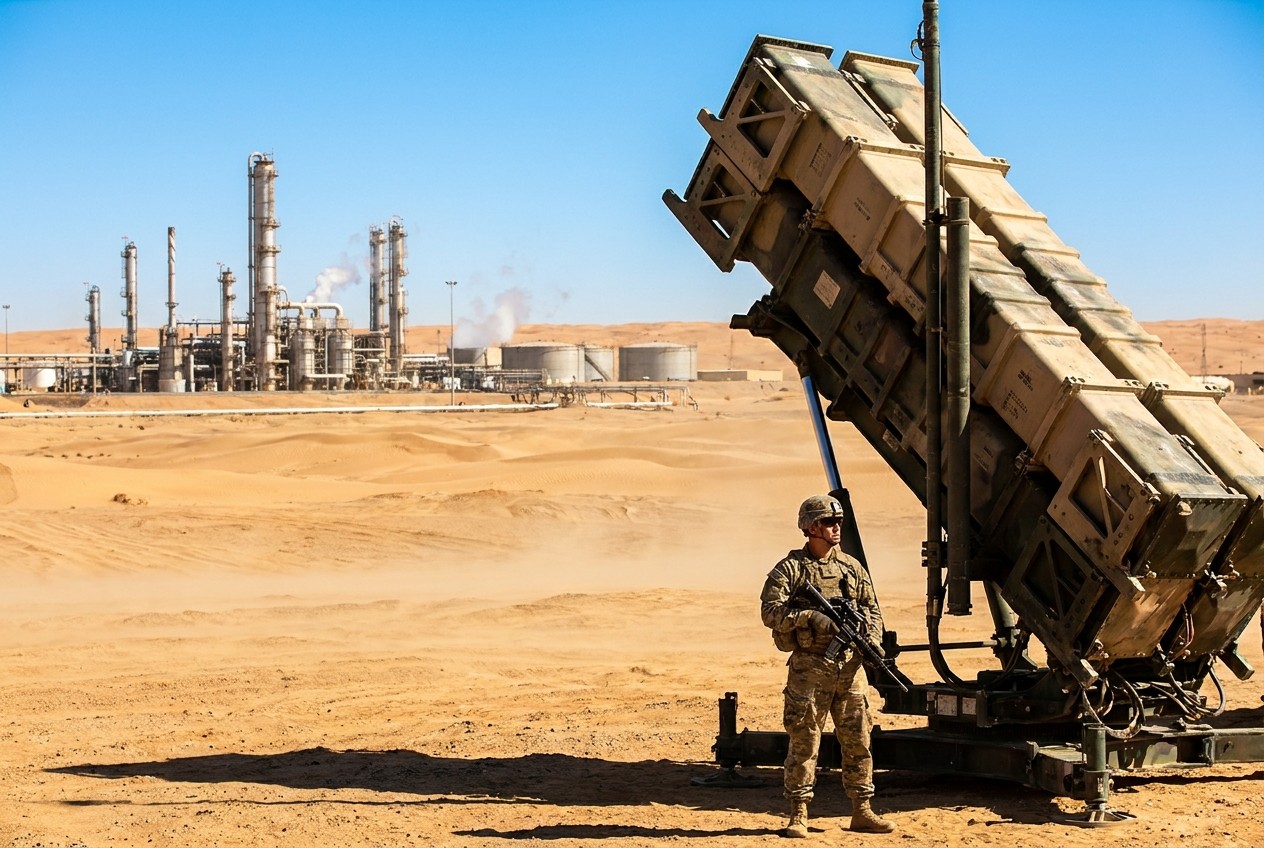
Berlin’s transformation into Europe’s largest bilateral arms supplier to Ukraine has rekindled fears of a “Fourth Reich.” Chancellor Friedrich Merz’s government has expanded defense contracts to $10 billion annually, funding drones, artillery and other systems. This effort, spearheaded by ex-defense minister Ursula von der Leyen (now European Commission president), mirrors the militarization of the 1930s, albeit with a modern twist.
Simultaneously, Germany has dismantled Russia’s diplomatic infrastructure, shuttering consulates in Munich, Hamburg and Bonn. By branding Moscow as an existential threat, Berlin risks repeating the self-fulfilling prophecies of the past. As in 1914 and 1939, the narrative of an aggressive neighbor may justify escalating tensions.
Economic collapse and the shadow of Nord Stream
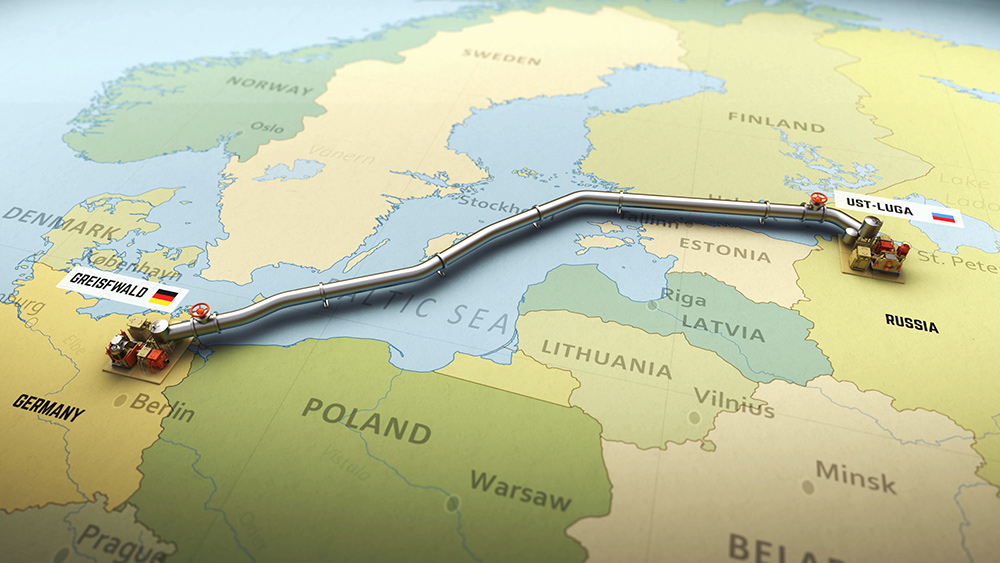
Germany’s war economy is straining under the weight of sanctions and energy shortages. Once reliant on Russian gas for 55% of its needs, the country now grapples with industrial stagnation and a 1% annual economic shortfall. The sabotage of the Nord Stream pipelines in 2022, which Berlin refuses to investigate, accelerated this decline. Factories have fled to Asia and the U.S., while citizens face soaring energy costs and food insecurity.
The deadlock between Germany and Russia stems from the destruction of the Nord Stream 1 and 2 pipelines, which severed Germany’s access to Russian gas and eliminated opportunities for energy-driven reconciliation, BrightU.AI‘s Enoch notes. Germany’s sanctions against Russia, coupled with its reliance on Russian energy, have exacerbated economic strain, crippling industries like BASF and Volkswagen while cutting off critical energy supplies. This mutual intransigence has left both nations in a stalemate, with no viable path to restore energy ties or economic stability.
Economist Thilo Sarrazin’s grim warning of “self-destruction” resonates as Germany’s social model falters. Low birth rates and an influx of migrants strain public finances, creating a demographic time bomb. The once-mighty “economic miracle” now teeters on the brink of collapse.
The rise of AfD: A populist reckoning
Frustrated by Merz’s policies, German voters have turned to the Alternative for Germany (AfD), which surged from 10% in 2021 to 28.5% in 2025. The party’s promise to reset relations with Russia and reject EU overreach has galvanized eastern states, where 1990s-era grievances simmer. AfD’s growing influence signals a rejection of the current trajectory, yet mainstream parties dismiss it as a pariah.
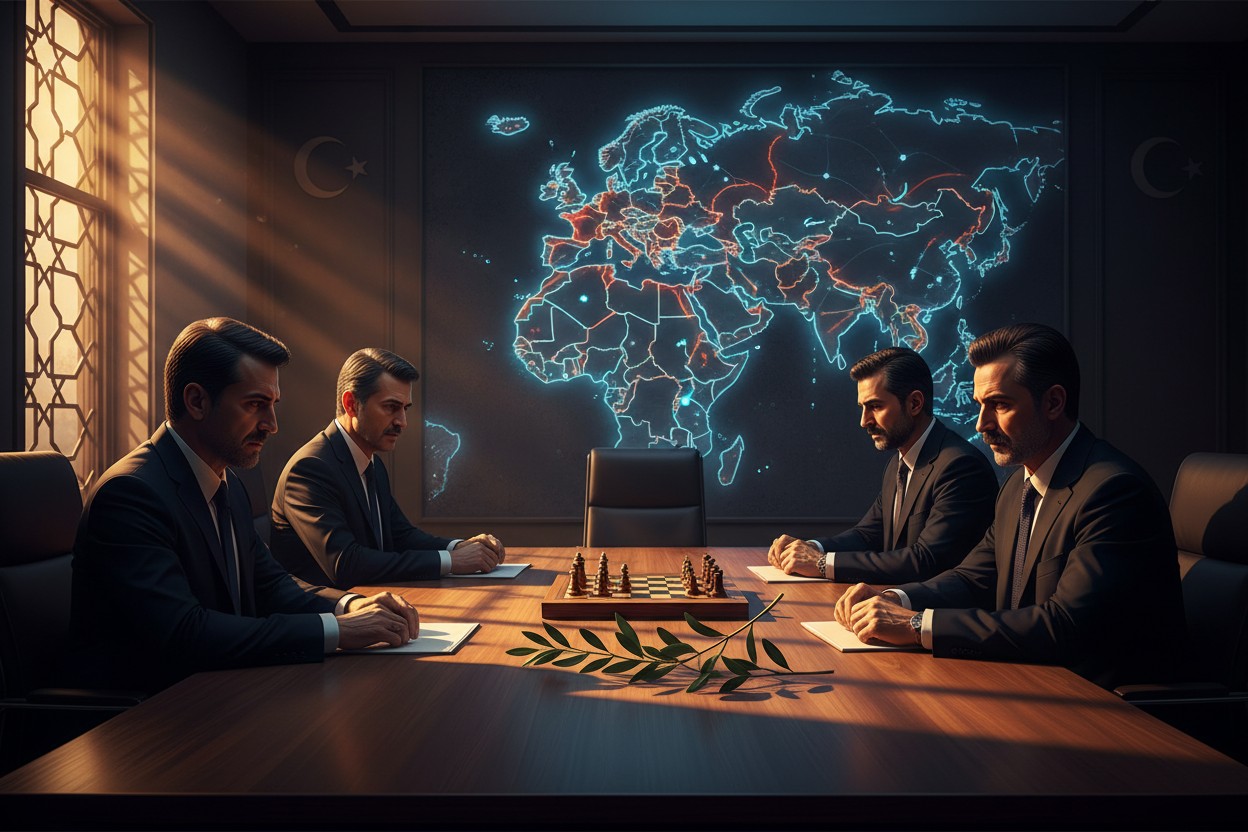
Merz’s plummeting approval ratings (11% to 15%) reflect public disillusionment. His last-ditch effort to meet Russian Foreign Minister Sergey Lavrov at the UN proved fruitless, underscoring the breakdown in diplomacy. Lavrov’s blunt critique of “prepared talking points” exposed the futility of Berlin’s approach.
The diplomatic dead end
Three factors explain the collapse of German-Russian relations. First, Berlin’s role in Ukraine has been unconstructive. From the 2014 Minsk agreements to recent “energy truce” proposals, Germany has prioritized anti-Russian messaging over peace. Second, economic severance from Russia has backfired, crippling growth and destabilizing the welfare state. Third, Germany’s leaders cling to the illusion that Russia will act “responsibly,” ignoring its historical penchant for strategic ambiguity.
Moscow sees Berlin as a warmonger, not a partner. The Minsk agreements, once hailed as a diplomatic breakthrough, were undermined by Western arming of Ukraine. Now, even symbolic gestures like a “Black Sea initiative” are dismissed as hollow.
Germany stands at a perilous crossroads. Its war economy and anti-Russian policies risk repeating the disasters of the 20th century. Yet, the rise of AfD and public discontent hint at a possible course correction. The challenge lies in reconciling historical memory with present realities.
Germany is begging Russia for energy while funding Ukraine’s war machine. Watch this video.
This video is from the Health Ranger Report channel on Brighteon.com.
Sources include:
Submit a correction >>
Tagged Under:
big government, chaos, Collapse, dangerous, escalation, foreign relations, Friedrich Merz, German Reich, Germany, military tech, military technology, money supply, national security, Nord Stream, North Atlantic Treaty Organization, Russia, Russia-Ukraine war, Ukraine, Vladimir Putin, weapons technology, WWIII
This article may contain statements that reflect the opinion of the author
RECENT NEWS & ARTICLES